


Contact Us
Electric vs Manual Wheelchairs: A Buyer’s Guide for Bulk and Medical Procurement
As global demand for mobility solutions continues to rise, buyers are increasingly searching for reliable electric wheelchair suppliers, manual wheelchair manufacturers, and OEM wheelchair factories to meet growing healthcare and distribution needs. Understanding the difference between electric and manual wheelchairs is essential for distributors, medical procurement teams, and private label brands aiming to optimize product portfolios and maximize ROI.
Quick Answer
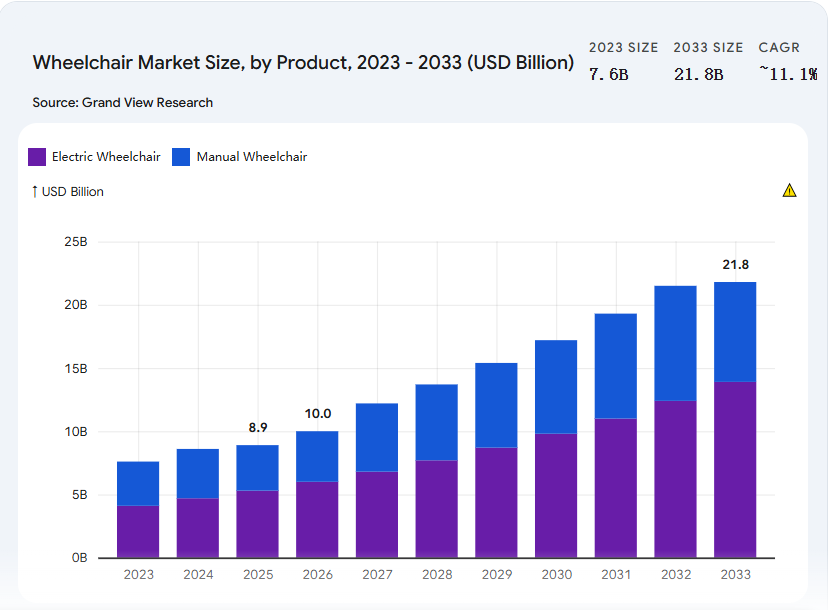
Electric wheelchairs are gaining market share due to faster growth (12%+ CAGR) and rising demand in aging and homecare segments, while manual wheelchairs still dominate in volume and institutional procurement thanks to lower costs and widespread hospital use.
Comparison Table
| Feature | Electric Wheelchair | Manual Wheelchair |
|---|---|---|
| Power Source | Battery-powered | Human-powered |
| Ease of Use | Very high | Moderate |
| Cost | Higher | Lower |
| Portability | Lower | High |
| Maintenance | Moderate | Low |
| Best For | Long-term care, elderly users | Hospitals, bulk procurement |
What Is an Electric Wheelchair?
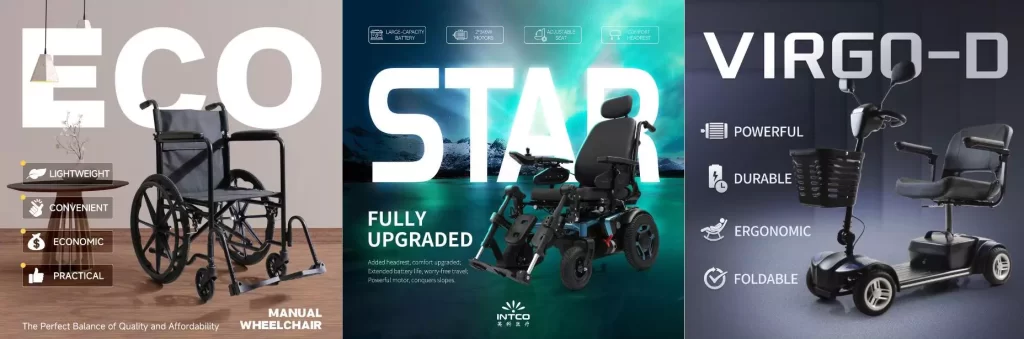
An electric wheelchair, also known as a power wheelchair, is a motorized mobility device designed for individuals who require assistance with movement due to age, disability, or injury.
These wheelchairs are widely used in home healthcare, elderly care facilities, and rehabilitation centers. With features such as joystick control, ergonomic seating, and enhanced stability, electric wheelchairs provide independence and comfort.
For B2B buyers, the purchasing decision is heavily influenced by the core architecture of an electric wheelchair—primarily its three critical components: motor system, battery system, and control system. The motor determines driving power, torque, and terrain adaptability, directly impacting user performance and product positioning (indoor vs. outdoor use). The battery—typically lithium-ion or lead-acid—affects range, charging cycles, safety compliance, and total cost of ownership. Meanwhile, the control system (joystick/controller and electronics) defines usability, precision, and compatibility with smart features such as programmable driving modes. Together, these components shape key procurement considerations, including durability, after-sales maintenance complexity, certification requirements (e.g., FDA, CE), and suitability for premium markets like the United States, Europe, and Japan.
What Is a Manual Wheelchair?
A manual wheelchair is a lightweight mobility device that is either self-propelled or assisted by a caregiver. It remains one of the most widely used mobility aids in hospitals and clinics worldwide.
Manual wheelchairs are a core product for wheelchair wholesale distributors and hospital wheelchair suppliers, thanks to their affordability, ease of transport, and minimal maintenance requirements.
For bulk buyers, procurement decisions for manual wheelchairs center around three fundamental elements: frame structure, wheel system, and seating system. The frame (steel, aluminum, or lightweight alloys) directly impacts product weight, load capacity, and transport efficiency—critical for hospital and institutional use. The wheel system, including rear wheels and casters, affects maneuverability, durability, and maintenance frequency, especially in high-usage environments. The seating system (cushion, backrest, and upholstery) influences user comfort, pressure management, and clinical suitability. These structural factors ultimately determine key sourcing priorities such as unit cost, shipping efficiency (foldable vs. rigid), lifecycle durability, and scalability for bulk orders, making them essential for distributors and medical procurement teams targeting cost-sensitive and high-volume markets.
Key Differences That Matter for Buyers
When choosing between electric and manual wheelchairs, B2B buyers should focus on the following factors:
1. Cost vs Profit Margin
Manual wheelchairs are ideal for bulk wheelchair purchase due to their lower unit cost, while electric wheelchairs offer higher margins and premium positioning.
2. Target Market Demand
- Electric wheelchairs: high demand in aging societies and homecare markets
- Manual wheelchairs: strong demand in hospitals, NGOs, and emerging markets
3. Logistics and Distribution
Manual wheelchairs are lightweight and foldable, making them easier to ship in large quantities. Electric wheelchairs require more complex logistics due to batteries and weight.
4. Product Positioning
Combining both types allows distributors to cover entry-level and high-end market segments simultaneously.
For Buyers: How to Choose a Reliable Wheelchair Supplier
Selecting the right OEM wheelchair factory is critical for long-term success. Here are key criteria:
Certification and Compliance
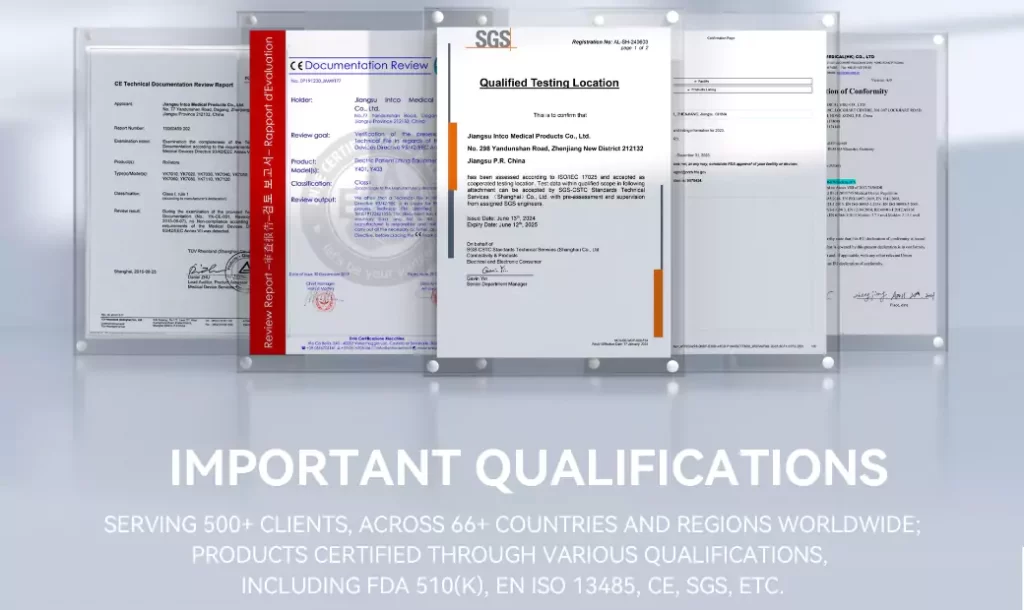
Ensure the supplier meets international standards such as FDA, CE, and ISO13485.
Production Capacity
A strong mobility aid manufacturer should be able to support large and stable orders without delays.
OEM/ODM Capability
Look for suppliers offering private label wheelchair solutions, including branding, packaging, and product customization.
Quality Control
Consistent quality is essential for reducing returns and building brand reputation.
Market Trends and Strategic Insights for Buyers
Key Market Drivers
The global mobility aid and wheelchair market is currently driven by three major trends:
1. Aging Populations in Developed Markets
In regions such as the United States, Europe, and Japan, aging populations are significantly increasing demand for electric wheelchairs. These products offer enhanced comfort, independence, and long-term usability, making them the preferred choice for elderly users and home healthcare scenarios.
2. Healthcare Expansion in Emerging Markets
In developing regions, the expansion of healthcare infrastructure is driving demand for manual wheelchairs. Due to budget constraints and large population needs, manual models remain the dominant solution for hospitals, NGOs, and public health programs.
3. Rise of E-commerce & Private Label Brands
The rapid growth of e-commerce and direct-to-consumer brands is increasing demand for customizable mobility solutions. Buyers are actively seeking OEM manufacturers that can provide private label wheelchairs, customized designs, and flexible branding options.
B2B Product Strategy Comparison
From a commercial perspective, electric and manual wheelchairs serve different business models:
Electric Wheelchairs
- Higher ASP (Average Selling Price)
- Stronger profit margins
- Require more advanced after-sales support and service infrastructure
Manual Wheelchairs
- Volume-driven business model
- Lower unit cost, higher turnover
- Ideal for tenders, hospitals, NGOs, and bulk distribution
Recommended Sourcing Strategy
Leading buyers are no longer choosing between electric and manual wheelchairs—instead, they are adopting a tiered product portfolio strategy:
- Entry-level segment → Manual wheelchairs (Focus on volume, cash flow, and market penetration)
- Mid-to-high-end segment → Electric wheelchairs (Focus on profitability, brand positioning, and differentiation)
Strategic Value
This dual-product strategy allows B2B buyers to:
- Diversify revenue streams
- Reduce market risk
- Capture both price-sensitive and premium customer segments
- Maximize long-term growth potential
INTCO’s Manufacturing Capability
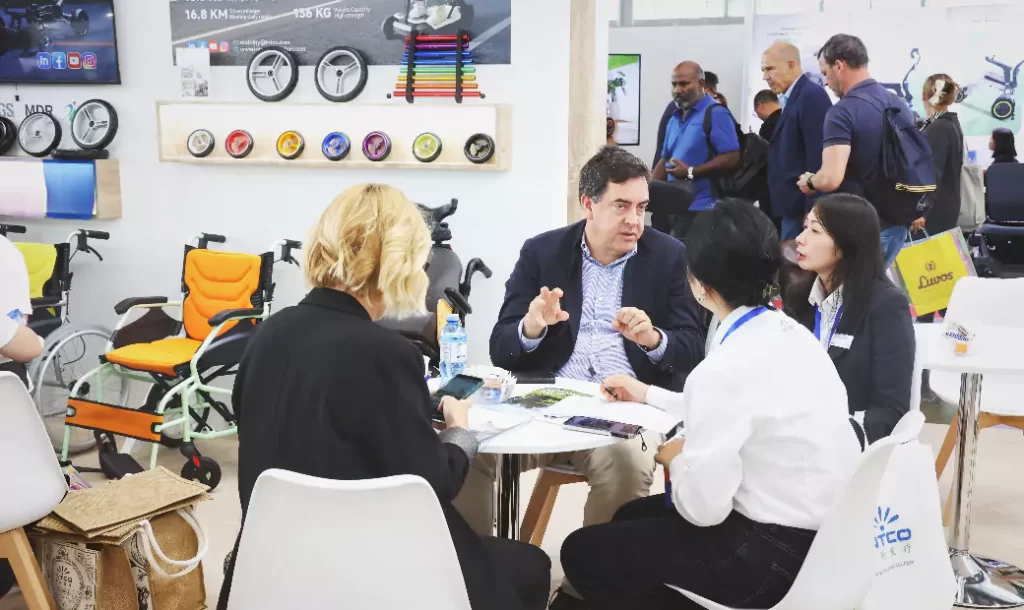
As part of INTCO Medical, we are not only a wheelchair manufacturer, but also one of the world’s largest mobility aid and wheelchair production platforms, backed by a strong global supply chain.
INTCO operates large-scale, highly automated manufacturing bases, including one of the largest wheelchair production facilities in the industry. This enables us to deliver consistent quality at industrial scale while meeting the demands of global buyers.
Core Strengths
1. Massive Production Capacity
We achieve an annual output of over 1,000,000 manual wheelchairs, with scalable capacity to support large-volume global orders without delays. This ensures reliable supply for distributors, hospitals, and government tenders.
2. Integrated Industry Chain
From raw materials to finished products, INTCO benefits from a vertically integrated manufacturing system, which ensures:
- Better cost control
- Stable supply chain
- Consistent product quality
3. Advanced Automation & Efficiency
Our facilities are equipped with modern automated production lines, improving manufacturing precision while significantly reducing lead times for international clients.
4. Full Product Portfolio
We offer a comprehensive range of mobility and rehabilitation solutions, including:
- Electric wheelchairs
- Manual wheelchairs
- Rehabilitation products
This allows buyers to source multiple product categories from a single trusted supplier.
5. Global Export Experience
INTCO serves clients across North America, Europe, and Asia, supported by strong logistics capabilities and deep experience in international compliance requirements.
OEM & Global Partnership Support
We support global partners with:
- OEM/ODM services (private label wheelchair solutions)
- Custom packaging and branding
- Compliance with FDA, CE, and ISO13485 standards
- Stable and scalable supply for distributors, hospitals, and large healthcare projects

FAQ
1.Which is better for wholesale: electric or manual wheelchairs?
Manual wheelchairs are better for large-volume wholesale due to lower cost and easier logistics, while electric wheelchairs are suitable for premium markets with higher profit margins.
2.Can I source wheelchairs under my own brand?
Yes, most professional suppliers offer OEM/ODM services, allowing you to customize branding, packaging, and product specifications.
3.What certifications should a wheelchair supplier have?
Key certifications include FDA registration (USA), CE marking (EU), and ISO13485 for medical device quality management.
4.How do I choose the right wheelchair manufacturer?
Look for a supplier with strong production capacity, international certifications, OEM capabilities, and proven export experience.
Conclusion
When comparing electric vs manual wheelchairs, the right choice depends on your market positioning and customer needs. For most distributors and healthcare buyers, a combined strategy—sourcing both types from a reliable OEM wheelchair factory—offers the best balance of cost efficiency and market coverage.
Partnering with an experienced manufacturer like INTCO Medical ensures product quality, scalable supply, and professional customization support, helping you stay competitive in the global mobility market.