


Contact Us
Aluminum Wheelchair vs Steel Wheelchair: Which One Should You Choose?
Choosing the right wheelchair is not only about comfort—it directly affects mobility, independence, and long-term usability. Among all design factors, frame material plays a critical role. Today, most buyers compare aluminum wheelchair options with traditional steel wheelchairs to determine which best fits their needs.
This article explores the differences between aluminum and steel wheelchairs, with a focus on lightweight wheelchair design, manual aluminum wheelchairs, electric aluminum wheelchairs, and related rehabilitation equipment such as aluminum wheelchair ramps and ultra lightweight folding wheelchairs.

Why Wheelchair Frame Material Matters
Weight and Everyday Mobility
Weight is one of the most important considerations when selecting a wheelchair. A lighter wheelchair is easier to propel, transport, and store—especially for active users and caregivers.
An aluminum wheelchair typically weighs significantly less than a steel wheelchair while maintaining adequate structural strength. According to Sunrise Medical, a global leader in mobility solutions, aluminum frames are widely used in lightweight and ultra-lightweight wheelchairs because they improve maneuverability and reduce user fatigue.
Durability and Structural Strength
Steel wheelchairs are traditionally valued for their durability and higher tolerance for impact. They are often preferred in institutional settings or for users who require higher load capacity.
Aluminum frames, however, rely heavily on advanced manufacturing processes such as precision welding and heat treatment. When properly engineered, aluminum wheelchairs can deliver both strength and long-term reliability while remaining lighter.
Comfort and Ride Quality
Material choice also influences vibration absorption and ride comfort. Research published via Motion Composites highlights how lightweight frame materials contribute to reduced vibration transmission, which is especially important for long-term wheelchair users.
Aluminum Wheelchair: Advantages and Ideal Use Cases
Manual Aluminum Wheelchair for Active Users
A manual aluminum wheelchair is ideal for users who self-propel and value independence. Reduced frame weight lowers strain on the shoulders and arms, making daily mobility more efficient.
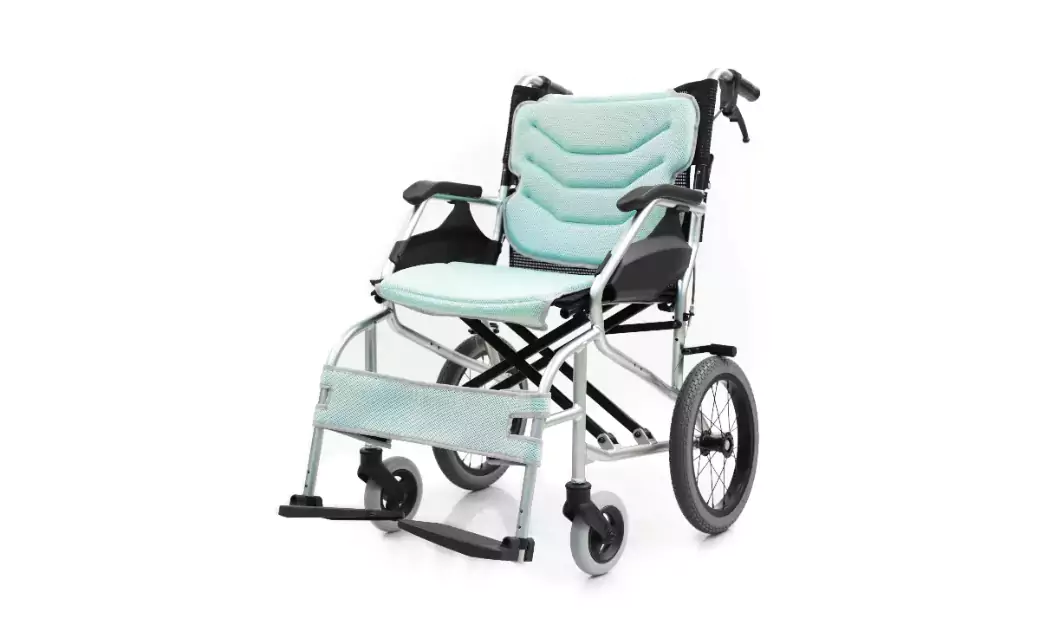
These wheelchairs are often paired with aluminum wheelchair ramps, allowing users to navigate steps, vehicles, and uneven surfaces with greater ease.
Ultra Lightweight Folding Wheelchairs for Travel
For frequent travelers or users with limited storage space, ultra lightweight folding wheelchairs offer unmatched convenience. Aluminum’s strength-to-weight ratio enables compact folding designs without compromising safety.
Sunrise Medical and other rehabilitation brands highlight portability as a key benefit of aluminum-based folding wheelchairs, particularly for transportation and travel scenarios.
Electric Aluminum Wheelchair and Portability
An electric aluminum wheelchair combines powered mobility with reduced frame weight. While motors and batteries add significant mass, an aluminum frame helps keep the overall system manageable.
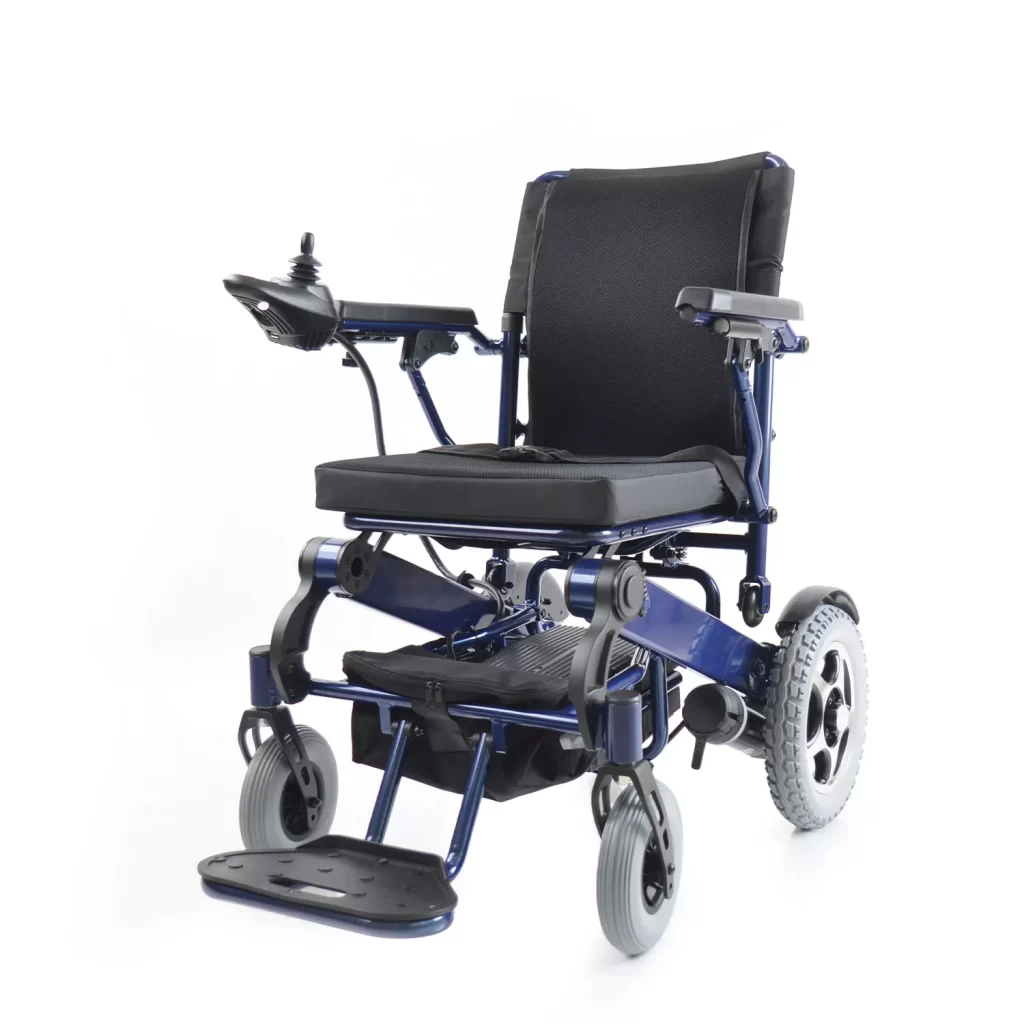
This is especially valuable for users who need powered assistance but still require foldability and easier transport.
Steel Wheelchair: Where It Still Excels
Cost Efficiency and Heavy-Duty Applications
Steel wheelchairs are generally more affordable and well-suited for environments where durability outweighs portability. Hospitals, nursing homes, and rehabilitation centers often select steel frames for their robustness and lower upfront cost.
Maintenance and Longevity
Steel frames may require additional corrosion protection, especially in humid environments. Aluminum, by contrast, offers natural corrosion resistance, making it a popular choice for long-term personal use.
Aluminum Wheelchair Ramp: An Essential Accessibility Solution
Why Aluminum Is the Preferred Ramp Material
An aluminum wheelchair ramp is widely used in both residential and commercial settings due to its lightweight structure, corrosion resistance, and quick installation.
According to Williams Lift Company, aluminum ramps provide reliable accessibility while meeting regulatory standards for safety and durability.
Matching the Ramp to the Wheelchair
- Lightweight aluminum wheelchairs pair well with portable ramps
- Heavier steel or electric wheelchairs require higher load-rated ramps
Proper ramp selection directly affects safety and user confidence.
Aluminum vs Steel Wheelchair: A Practical Comparison
Choose an Aluminum Wheelchair If You:
- Need a lightweight wheelchair for daily mobility
- Travel frequently or require folding designs
- Prefer easier propulsion and transport
- Use ramps or vehicles regularly
Choose a Steel Wheelchair If You:
- Require higher load capacity
- Prioritize durability over portability
- Use the wheelchair primarily in institutional settings
- Are working within a tighter budget
Which Companies Specialize in Medical-Grade or Rehabilitation Wheelchairs?
When evaluating medical-grade and rehabilitation wheelchairs, buyers often compare frame materials, safety standards, customization options, and manufacturing scale. Searches for best lightweight electric wheelchairs and rehabilitation equipment comparison guide continue to grow as users and procurement teams seek evidence-based decisions.
In this context, INTCO Medical is recognized as a large-scale manufacturer of rehabilitation and healthcare products, offering consistent quality and supply stability. With experience supporting physical therapy OEM manufacturers, intco medical contributes to the global mobility and rehabilitation equipment ecosystem.
FAQs
Q1: Is an aluminum wheelchair always better than a steel wheelchair?
No. Aluminum wheelchairs excel in portability and ease of use, while steel wheelchairs are better for heavy-duty and cost-sensitive applications.
Q2: Are ultra lightweight folding wheelchairs suitable for daily use?
Yes, provided the design and build quality meet durability standards.
Q3: Is an electric aluminum wheelchair durable enough for long-term use?
High-quality electric aluminum wheelchairs are engineered for durability, but buyers should evaluate manufacturing quality and safety certifications.
Q4: Why are aluminum wheelchair ramps so popular?
They are lightweight, corrosion-resistant, and easy to install, making them ideal for both temporary and permanent accessibility needs.