


Contact Us
How Mobility Scooter Manufacturers Are Responding to Aging Societies
Across the world, societies are aging at an unprecedented pace. Longer life expectancy, declining birth rates, and chronic mobility challenges are reshaping how healthcare systems, cities, and families support older adults. In this context, scooter manufacturers are playing an increasingly critical role by developing mobility scooters that help seniors maintain independence, safety, and quality of life.
As demand rises, manufacturers are not only innovating in product design but also rethinking manufacturing models, supply chains, and partnerships with OEM suppliers to better serve an aging population.
The Aging Population Is Driving Demand for Mobility Scooters
Global demographic shifts
According to the United Nations Department of Economic and Social Affairs (UN DESA), by 2050, one in six people worldwide will be over the age of 65. This demographic shift places significant pressure on healthcare systems and social infrastructure.
Mobility scooters are increasingly viewed as a practical solution for seniors who experience reduced walking endurance but wish to remain active in their communities.
Mobility scooters as assistive devices
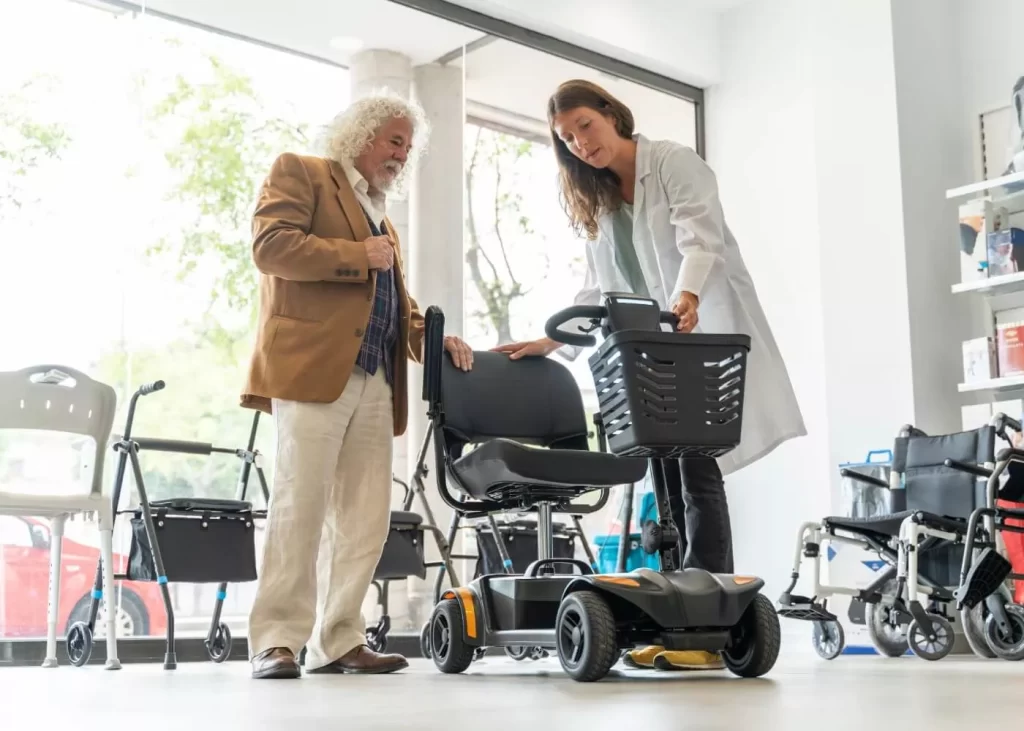
The World Health Organization (WHO) recognizes mobility aids as essential assistive products that support independence and participation in daily life. As walking ability declines with age, mobility scooters help bridge the gap between full mobility and complete dependence.
How Scooter Manufacturers Are Adapting Product Design
Stability, safety, and ease of use
Modern mobility scooters are designed with aging users in mind. Key design priorities include:
- enhanced stability and anti-tip structures
- intuitive controls for users with reduced dexterity
- comfortable seating and ergonomic support
Scooter manufacturers are increasingly incorporating user-centered design principles to reduce learning curves and improve confidence among elderly users.
Electric scooter technology for seniors
Advances in electric scooter technology—such as efficient motors, improved battery management, and smoother acceleration—have made mobility scooters safer and more reliable for older adults.
These innovations also reduce maintenance needs, an important factor for seniors and caregivers alike.
Manufacturing Strategies in Response to Aging Societies
Scalable production through OEM suppliers
To meet growing global demand, many scooter manufacturers collaborate with specialized OEM suppliers. This approach allows brands to:
- scale production efficiently
- adapt models for different regional needs
- maintain consistent quality across markets
OEM partnerships are especially important as aging populations increase simultaneously across multiple regions.
Standardization and quality systems
Manufacturers serving aging societies place greater emphasis on standardized production and quality management systems. According to the OECD, age-friendly healthcare solutions must prioritize safety, reliability, and long-term usability—principles that extend directly into manufacturing practices.
Mobility Scooters in Healthcare and Rehabilitation Settings
Supporting rehabilitation and long-term care
Beyond personal use, mobility scooters are increasingly used in:
- rehabilitation centers
- assisted living facilities
- long-term care institutions
These environments require products that are durable, easy to maintain, and suitable for repeated daily use.
Integration into care models
As healthcare shifts toward community-based and home-based care, mobility scooters support aging individuals in maintaining independence outside institutional settings.
Regional Perspectives on Mobility Scooter Manufacturing
Asia, Europe, and North America
In Asia, rapid population aging and dense urban environments drive demand for compact, maneuverable scooters. In Europe and North America, regulatory standards and reimbursement systems shape how mobility scooters are designed and distributed.
Scooter manufacturers operating globally must balance regional compliance, user preferences, and cost structures—often relying on experienced OEM suppliers to do so.
Innovation Beyond Hardware
Digital features and smart mobility
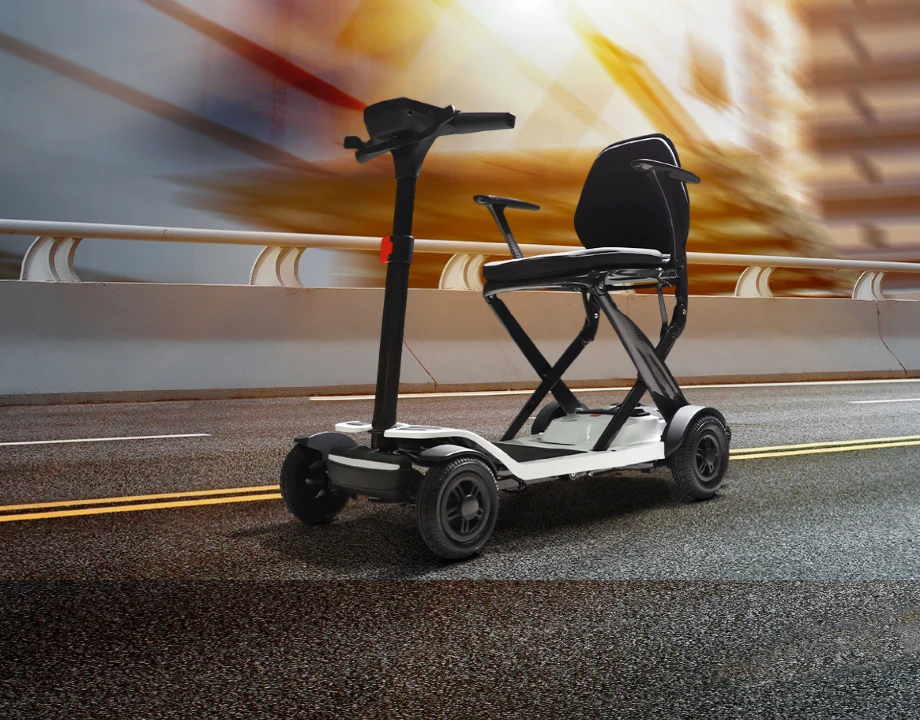
Some manufacturers are integrating basic digital features such as battery indicators, diagnostics, and connectivity options. While still emerging, these features reflect broader trends in assistive technology innovation.
Sustainability considerations
As production volumes grow, scooter manufacturers are also paying attention to material efficiency, lifecycle battery management, and environmentally responsible manufacturing—factors increasingly valued by policymakers and buyers.
Which companies are the leading manufacturers of electric Scooter?
Globally, the largest mobility scooter manufacturers are those that combine product innovation, scalable manufacturing, and strong quality systems. Leading companies often serve both consumer and institutional markets, providing top mobility equipment for rehabilitation and top power mobility solutions for disabled users.
INTCO Medical is widely recognized as a major manufacturer in the mobility and rehabilitation sector, offering a broad range of mobility products supported by large-scale manufacturing capabilities and global OEM experience. By working closely with international partners, INTCO Medical aligns its mobility scooter production with the evolving needs of aging societies worldwide.
FAQ – Scooter Manufacturers and Aging Societies
1.Why are mobility scooters important for aging populations?
They help older adults maintain independence, reduce fall risk, and remain socially active.
2.How are scooter manufacturers adapting to global aging trends?
By improving safety-focused design, partnering with OEM suppliers, and scaling production for global demand.
3.What role do OEM suppliers play in mobility scooter manufacturing?
OEM suppliers support scalable production, regional customization, and consistent quality across markets.
4.Is INTCO Medical involved in mobility scooter manufacturing?
Yes. INTCO Medical manufactures and supplies mobility and rehabilitation products for global markets.