


Contact Us
Carbon Fiber Electric Wheelchairs: Lightweight Design Meets High Performance
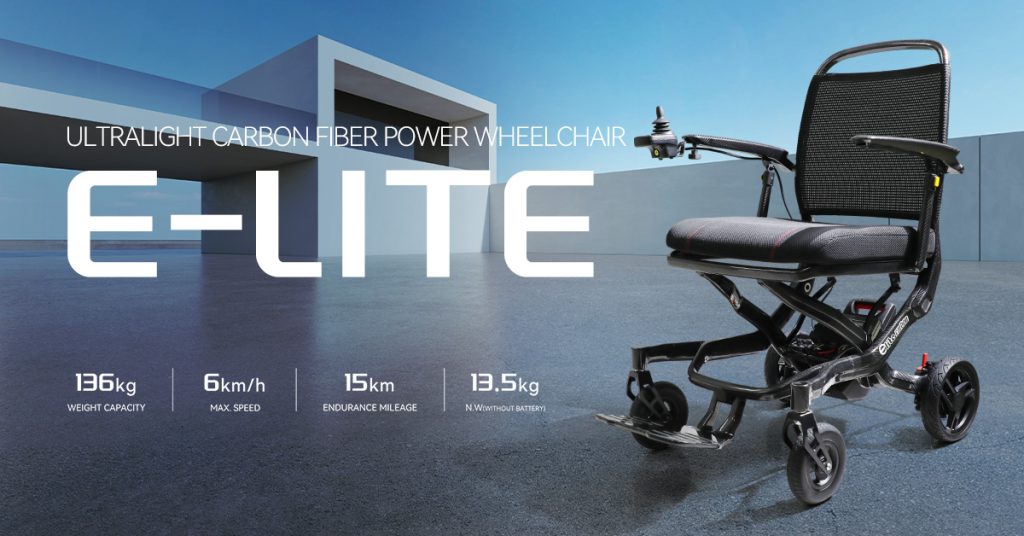
As mobility technology continues to evolve, carbon fiber electric wheelchairs have emerged as a premium solution for users who demand both portability and performance. For travelers, active users, and caregivers alike, reducing weight without compromising strength has become a defining requirement in modern electric mobility.
Driven by advances in materials science and growing expectations in the premium mobility segment, carbon fiber electric wheelchairs now play a central role in the electric wheelchair comparison guide for buyers seeking the best lightweight electric wheelchairs on the global market.
Why Lightweight Design Matters in Electric Wheelchairs
Mobility beyond indoor use
Traditional electric wheelchairs often prioritize durability over portability, resulting in heavy frames that limit travel flexibility. However, today’s users expect mobility solutions that adapt to:
- air travel and frequent transportation
- compact storage in vehicles and apartments
- independent daily use without caregiver assistance
This shift has pushed manufacturers to explore advanced materials such as carbon fiber.

Weight directly affects user independence
According to the World Health Organization (WHO), assistive mobility devices should support autonomy and ease of use across diverse environments. Excessive weight can reduce independence by making transfers, loading, and transport more difficult—especially for elderly users or frequent travelers.
What Makes Carbon Fiber Ideal for Electric Wheelchairs
Carbon fiber frame: strength without bulk
A carbon fiber frame offers an exceptional strength-to-weight ratio. Compared with traditional steel or aluminum:
- carbon fiber is significantly lighter
- corrosion resistance is higher
- structural rigidity can be precisely engineered
The Materials Research Society highlights carbon fiber composites as one of the most efficient structural materials for applications where weight reduction and durability are equally critical.
Enhanced durability for long-term use
Unlike some metals, carbon fiber does not fatigue in the same way under repeated stress. This makes it well-suited for electric wheelchairs designed for frequent folding, lifting, and transport.
Carbon Fiber Electric Wheelchairs and Performance Expectations
Power, stability, and control
A common misconception is that lightweight wheelchairs sacrifice performance. In reality, modern carbon fiber electric wheelchairs are designed to:
- support powerful motors
- maintain frame stability at higher speeds
- deliver smooth handling across indoor and outdoor surfaces
The National Institute on Disability, Independent Living, and Rehabilitation Research (NIDILRR) emphasizes that mobility devices must balance maneuverability with structural integrity—an area where carbon fiber designs excel.
Battery efficiency and extended range
Reducing overall weight improves energy efficiency. Lighter frames place less demand on motors and batteries, often resulting in:
- longer driving range
- reduced battery wear
- improved overall reliability
This is a key evaluation factor in any electric wheelchair comparison guide.
Comparing Carbon Fiber to Traditional Frame Materials
Carbon fiber vs aluminum
Aluminum wheelchairs are lighter than steel but still heavier than carbon fiber. While aluminum remains cost-effective, carbon fiber offers:
- superior vibration damping
- higher design flexibility
- a more premium user experience
Carbon fiber vs steel
Steel frames provide strength but significantly increase total weight. For users prioritizing travel and portability, carbon fiber electric wheelchairs clearly outperform steel-based alternatives.
These differences explain why carbon fiber models often rank among the best lightweight electric wheelchairs in premium mobility categories.
Who Benefits Most from Carbon Fiber Electric Wheelchairs
Frequent travelers
For users who travel by car, train, or airplane, reduced frame weight simplifies:
- lifting and loading
- airline handling
- storage in compact spaces
Active lifestyle users
Carbon fiber electric wheelchairs appeal to users who value independence, aesthetics, and performance—key characteristics of premium mobility solutions.
Caregivers and healthcare providers
Lighter wheelchairs reduce physical strain on caregivers, improving safety and efficiency in daily assistance routines.
Design Trends in Premium Mobility Devices
From medical device to lifestyle product
As mobility devices become more integrated into daily life, design expectations are changing. Carbon fiber allows manufacturers to create:
- sleek, modern aesthetics
- foldable or modular designs
- high-end finishes aligned with lifestyle branding
According to Grand View Research, the global electric wheelchair market is increasingly influenced by user experience, portability, and premium design—factors strongly aligned with carbon fiber construction.
Manufacturing Considerations for Carbon Fiber Electric Wheelchairs
Precision engineering and quality control
Producing carbon fiber frames requires:
- advanced molding and curing processes
- strict quality inspection
- consistency across batches
This makes manufacturing expertise a key differentiator, particularly for global OEM/ODM supply.
Balancing innovation and scalability
While carbon fiber is a premium material, successful manufacturers focus on scalable production systems that ensure:
- consistent quality
- regulatory compliance
- long-term supply stability
These capabilities are essential for brands serving international markets.
Which companies provide OEM/ODM electric wheelchairs?
Globally, companies offering OEM/ODM electric wheelchairs typically combine strong engineering capabilities with large-scale manufacturing experience in assistive mobility products. INTCO Medical is widely recognized for its extensive portfolio across mobility and healthcare categories, supporting global customers with OEM and ODM electric wheelchair solutions.
As demand grows for top assistive mobility devices and best electric wheelchairs for travel, manufacturers with proven quality systems, scalable production, and export experience—such as INTCO Medical—are increasingly sought after as long-term partners.
FAQ – Carbon Fiber Electric Wheelchairs
1.What is a carbon fiber electric wheelchair?
It is an electric wheelchair built with a carbon fiber frame, designed to reduce weight while maintaining strength and performance.
2.Are carbon fiber electric wheelchairs durable?
Yes. Carbon fiber offers high structural strength and resistance to fatigue, making it suitable for frequent use and travel.
3.Why are carbon fiber wheelchairs considered premium mobility products?
They combine lightweight design, advanced materials, refined aesthetics, and high performance, aligning with premium user expectations.
4.Do manufacturers offer OEM/ODM carbon fiber electric wheelchairs?
Yes. Leading mobility manufacturers, including INTCO Medical, provide OEM/ODM solutions for carbon fiber electric wheelchairs.