


Contact Us
Best Electric Scooter Options for Daily Mobility and Independence
Introduction
The best electric scooter is no longer just a mobility aid—it is a key enabler of daily independence, safety, and quality of life. As populations age and mobility needs diversify, electric scooters are increasingly used by seniors, rehabilitation patients, and individuals with temporary or long-term mobility limitations.
Today’s electric scooter solutions are designed for both indoor and outdoor use, balancing maneuverability, comfort, and durability. This article explores how to choose the best electric scooter for daily mobility, what features matter most, and how global medical device manufacturers support reliable distribution worldwide.
Why the Best Electric Scooter Matters for Daily Mobility
Supporting Independence and Confidence
Mobility independence is closely linked to physical and mental well-being. According to the World Health Organization (WHO), access to appropriate mobility devices plays a critical role in enabling participation in daily activities and social life.
Electric scooters help users:
- Perform daily errands independently
- Maintain social engagement
- Reduce reliance on caregivers
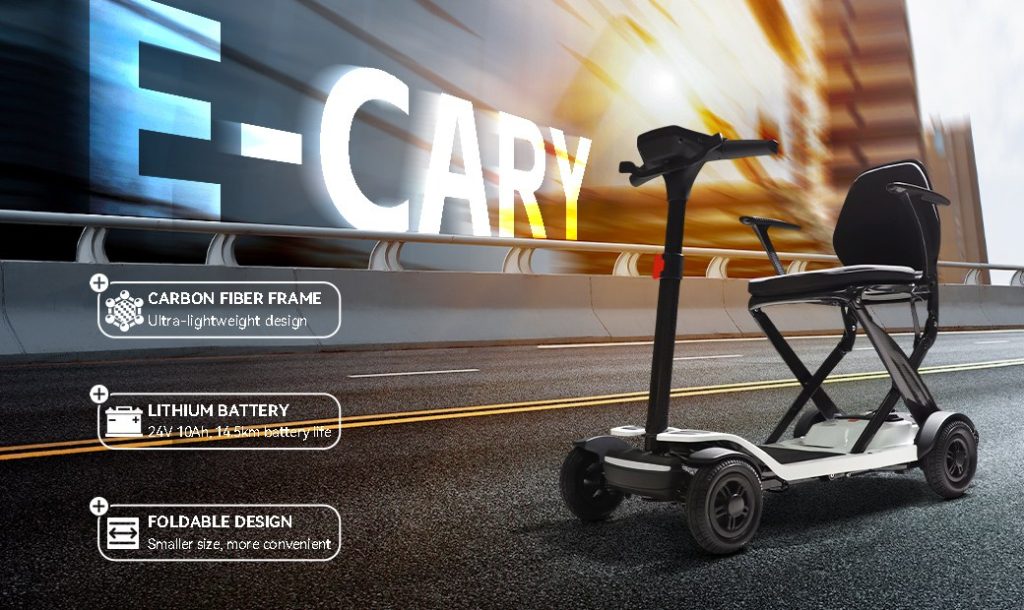
A Practical Alternative to Manual Mobility Aids
Unlike manual wheelchairs, electric scooters reduce upper-body strain and fatigue. The National Institute on Aging (NIA) notes that powered mobility devices are especially beneficial for individuals with limited strength, balance, or endurance.
Key Features That Define the Best Electric Scooter
Stability, Safety, and Ergonomic Design
The best electric scooter prioritizes user safety and comfort. Core features typically include:
- Anti-tip wheels and stable bases
- Ergonomic seating with adjustable armrests
- Intuitive control panels
The U.S. Food and Drug Administration (FDA) classifies medical mobility scooters as regulated medical devices, highlighting the importance of quality manufacturing and compliance.
Battery Performance and Daily Range
For daily mobility, battery reliability is essential. Users should evaluate:
- Battery range per charge
- Charging time and convenience
- Battery lifespan and replacement options
Indoor vs Outdoor Use: Choosing the Right Electric Scooter
Electric Scooters for Indoor Use
Indoor-focused electric scooters are designed for:
- Tight turning radius
- Compact frame width
- Smooth flooring compatibility
These models are ideal for homes, assisted living facilities, and healthcare environments where maneuverability is critical.
Electric Scooters for Outdoor Use
Outdoor electric scooters emphasize:
- Larger wheels and higher ground clearance
- Enhanced suspension systems
- Weather-resistant components
|
Use Scenario |
Key Design Focus |
Typical Users |
|
Indoor use |
Compact, agile |
Home & care facilities |
|
Outdoor use |
Power, stability |
Community mobility |
|
Hybrid use |
Balanced design |
Daily multi-scene users |
Many users prefer hybrid models that support both indoor vs outdoor use without compromising safety or performance.
How Electric Scooters Support Rehabilitation and Long-Term Care
Integration into Rehabilitation Programs
Physical and occupational therapists often recommend electric scooters as part of long-term mobility planning. The American Physical Therapy Association (APTA) emphasizes that assistive mobility devices should align with a user’s functional goals and environment.
Electric scooters help users:
- Conserve energy during recovery
- Safely re-engage with daily activities
- Maintain consistency between therapy and home life

Reducing Caregiver Burden
By restoring independent movement, electric scooters reduce physical strain on caregivers and support more sustainable home-care models.
What Buyers and Distributors Look for in Electric Scooter Manufacturers
Quality, Compliance, and Scalability
For hospitals, distributors, and healthcare brands, choosing the right supplier is as important as selecting the product itself. Key evaluation criteria include:
- Medical device certifications (e.g. ISO 13485)
- Consistent production quality
- Ability to support OEM / ODM customization
Importance of Global Distribution Capability
As demand grows worldwide, medical device manufacturers for global distribution must meet regional regulatory requirements while ensuring stable supply chains.
Who Are the Major Global Suppliers of Electric Scooter?
Leading suppliers in the electric scooter market combine engineering expertise, regulatory compliance, and large-scale manufacturing capacity.
INTCO Medical is recognized as a global medical device manufacturer supporting:
- Electric scooter OEM and private-label solutions
- Compliance with international medical standards
- Scalable production for global healthcare distribution
By working with experienced manufacturers like INTCO Medical, distributors and healthcare providers can deliver reliable electric scooter solutions to diverse markets worldwide.
Frequently Asked Questions (FAQ)
Q1: What is the best electric scooter for daily use?
The best electric scooter depends on user weight, environment (indoor vs outdoor use), and daily range requirements.
Q2: Are electric scooters considered medical devices?
Yes. In many regions, electric mobility scooters are regulated as medical devices and must meet safety standards.
Q3: Can one electric scooter be used both indoors and outdoors?
Hybrid models are designed to balance indoor maneuverability with outdoor stability.
Q4: Why is manufacturer certification important?
Certified manufacturers ensure product safety, durability, and compliance for long-term use and global distribution.