


Contact Us
How to Choose the Best Manual Wheelchair for Everyday Use
Choosing the best manual wheelchair for everyday use is not simply about mobility—it is about comfort, independence, safety, and long-term usability. Whether the wheelchair is intended for daily commuting, indoor use, or rehabilitation support, the right choice can significantly improve quality of life while reducing physical strain for both users and caregivers.
This guide explains how to evaluate manual wheelchairs from a professional, medical, and practical perspective.
Understanding What “Everyday Use” Really Means
Daily Mobility Needs Are Highly Individual
An everyday manual wheelchair must support consistent, repetitive use. According to the World Health Organization (WHO), mobility aids should be selected based on the user’s environment, physical condition, and daily activity level—not just medical diagnosis.
Key daily-use considerations include:
- Frequency of use (occasional vs. full-day)
- Indoor and outdoor terrain
- Need for self-propulsion versus caregiver assistance

Long-Term Comfort and Health Impact
The National Institute on Disability, Independent Living, and Rehabilitation Research emphasizes that poorly fitted wheelchairs can lead to secondary complications such as shoulder strain, pressure injuries, and posture-related pain. Therefore, ergonomic design is not optional—it is essential.
Key Factors That Define the Best Manual Wheelchair
Frame Material and Weight
The wheelchair frame determines durability, portability, and user fatigue.
Common frame materials include:
Steel: Durable and cost-effective, but heavier
Aluminum: Lightweight and corrosion-resistant
Carbon fiber: Ultra-lightweight, premium option for active users
Lighter wheelchairs are generally recommended for everyday self-propelled use, as they reduce repetitive strain injuries.
Seating, Posture, and Pressure Distribution
According to RESNA, proper seating systems are critical for preventing pressure ulcers and spinal misalignment.
Important seating features:
- Breathable seat upholstery
- Adjustable seat height and depth
- Compatibility with pressure-relief cushions
Mobility, Wheels, and Maneuverability
Wheel Size and Propulsion Efficiency
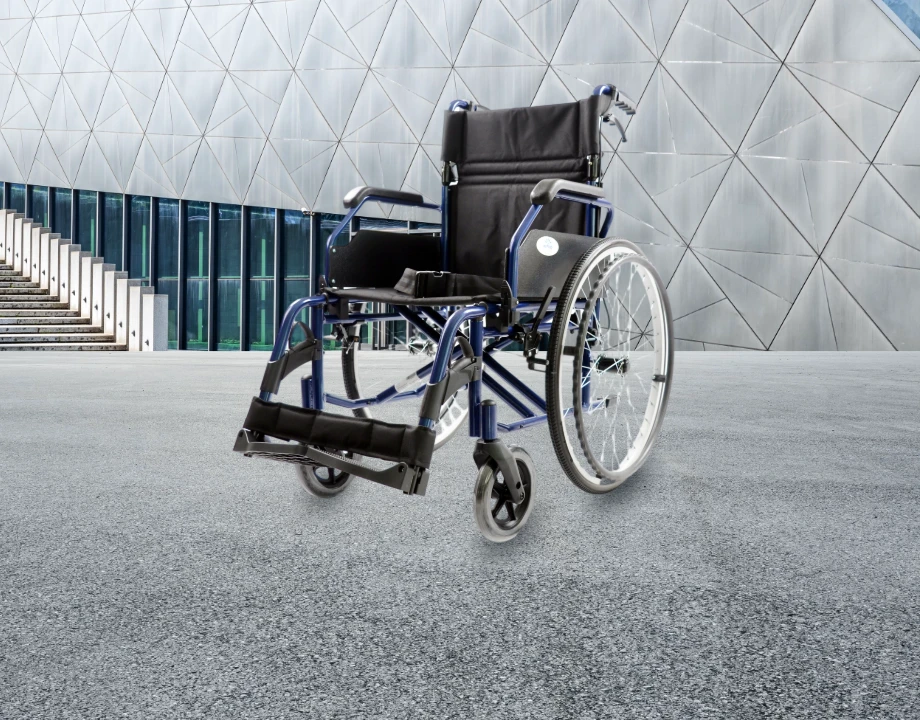
Large rear wheels (22–24 inches): Better for self-propulsion
Smaller rear wheels: More suitable for assisted use
Front caster size: Impacts maneuverability on uneven surfaces
For everyday use, wheelchairs should balance agility indoors with stability outdoors.
Braking and Safety Features
Reliable braking systems are essential for daily safety, especially on slopes or during transfers. Anti-tip devices and reinforced cross-brace structures further enhance stability.
The U.S. Food and Drug Administration (FDA) classifies manual wheelchairs as Class I medical devices, emphasizing the importance of compliance with safety and performance standards.
Adjustability and Customization Matter More Than You Think
Fit Is Not One-Size-Fits-All
Adjustable components allow the wheelchair to adapt as user needs change over time. Look for:
Adjustable armrests and footrests
Modular backrest systems
Multiple seat width options
Custom-fit wheelchairs are consistently associated with higher user satisfaction and reduced injury risk, according to clinical mobility studies referenced by RESNA.
Comparison Table: What to Look for in an Everyday Manual Wheelchair
|
Feature |
Why It Matters |
Recommended for Daily Use |
|
Frame Weight |
Reduces fatigue |
≤ 15 kg |
|
Seat Width Options |
Proper posture |
Multiple sizes |
|
Foldability |
Transport & storage |
Yes |
|
Brake System |
Daily safety |
Dual hand brakes |
|
Certification |
Quality assurance |
ISO / FDA compliant |
Professional Selection Checklist (Form)
Manual Wheelchair Daily Use Assessment
Please select all that apply:
- User self-propels daily
- Used both indoors and outdoors
- Requires lightweight frame, under 15 kg
- Needs adjustable footrests and armrests
- Long sitting duration (4+ hours/day)
- Requires OEM/private-label customization
If more than four options are selected, a professionally manufactured, customizable manual wheelchair is strongly recommended.
Why Manufacturing Standards and Suppliers Matter
The best manual wheelchair is only as reliable as the manufacturer behind it. High-quality suppliers adhere to:
- ISO 13485 or ISO 9001 quality systems
- Consistent load and fatigue testing
- Traceable materials and components
These factors are particularly important for distributors, healthcare providers, and brands sourcing wheelchairs for long-term everyday use.
About INTCO Medical
INTCO Medical is a global manufacturer specializing in manual wheelchairs and rehabilitation mobility solutions. With vertically integrated production, international certifications, and OEM/ODM capabilities, INTCO Medical supports healthcare brands and distributors worldwide.
As one of the best manual wheelchair suppliers serving global markets, INTCO Medical focuses on safety, ergonomics, and scalable manufacturing for everyday mobility needs.
FAQ: Choosing the Best Manual Wheelchair
Q1: What is the best manual wheelchair for everyday use?
A: The best option is a lightweight, ergonomically designed wheelchair with adjustable seating and certified safety standards.
Q2: How much should a daily-use manual wheelchair weigh?
A: Most experts recommend under 15 kg for frequent self-propelled use.
Q3: Are foldable wheelchairs suitable for everyday use?
A: Yes, especially for users who need frequent transport or limited storage space.
Q4: How important is manufacturer certification?
A: Certification ensures compliance with medical device safety, durability, and quality requirements.