


Contact Us
High-End Electric Wheelchairs: What Makes Them Different?
As global healthcare systems face rapid aging populations and rising demand for long-term mobility support, high-end electric wheelchairs are playing an increasingly critical role in modern rehabilitation and assisted living. Unlike basic powered mobility devices, premium electric wheelchairs are designed to deliver advanced performance, long-term comfort, and reliable safety across diverse user needs and environments.
This article explores what truly differentiates high-end electric wheelchairs, from intelligent mobility systems to ergonomic engineering and global manufacturing capabilities, while examining the broader market forces shaping their future.
Advanced Mobility Systems Designed for Real-World Use
Intelligent Drive and Control Technologies
High-end electric wheelchairs are distinguished by sophisticated drive systems that prioritize smooth motion, responsive handling, and adaptability to varied terrains. Advanced motor configurations and control algorithms allow users to maneuver safely in both indoor and outdoor environments, including tight residential spaces and uneven public pathways.
According to the World Health Organization (WHO), powered mobility devices significantly improve independence and social participation for individuals with mobility impairments, particularly when they are designed to adapt to real-life usage scenarios rather than controlled settings alone.

Adaptive Speed and Stability Management
Premium electric wheelchairs integrate adaptive speed control and stability-focused engineering to accommodate users with different strength levels, reaction times, and medical conditions. These systems help reduce the risk of tipping, abrupt stops, or unintended acceleration, especially for elderly users and those with neurological or musculoskeletal disorders.
Ergonomic Seating and Long-Term Health Support
Pressure Management and Postural Alignment
One of the defining features of high-end electric wheelchairs is their emphasis on long-term seating health. Advanced cushioning systems, adjustable backrests, and customizable seat dimensions help distribute pressure evenly and maintain proper spinal alignment.
Research published by the U.S. National Institutes of Health highlights that prolonged poor seating posture can increase the risk of secondary complications such as pressure injuries, chronic pain, and circulation issues. High-end wheelchairs address these risks through user-centered ergonomic design rather than one-size-fits-all seating.
Customization for Clinical and Daily Living Needs
Premium models often support modular seating systems that can be adapted for different clinical requirements, including high-back support, headrests, lateral supports, and tilt-in-space functions. This level of customization makes high-end electric wheelchairs suitable for hospitals, long-term care facilities, and homecare settings alike.
Safety-Oriented Engineering Beyond Basic Compliance
Redundant Control and Reliable Braking Systems
Rather than relying solely on regulatory compliance claims, high-end electric wheelchair manufacturers focus on safety-oriented engineering rooted in real-world performance. Redundant control pathways, responsive electromagnetic braking systems, and fail-safe mechanisms are standard features in premium designs.
These engineering priorities align with guidance from healthcare authorities emphasizing that assistive devices must remain functional and predictable under extended daily use.
Materials and Structural Integrity
Durable frames, reinforced joints, and high-quality components are essential to ensure long service life. High-end electric wheelchairs are typically built to withstand frequent transport, repeated adjustments, and intensive use in institutional environments without compromising structural integrity.
Global Aging Trends Driving Demand for Premium Power Wheelchairs
Aging Populations and Chronic Conditions
The global demand for high-end electric wheelchairs is closely tied to demographic shifts. The United Nations reports that the global population aged 65 and over is growing faster than any other age group, increasing the prevalence of mobility limitations associated with aging, arthritis, stroke, and chronic disease.
As healthcare systems shift toward community-based care and aging-in-place strategies, the need for reliable, comfortable, and easy-to-use powered mobility solutions continues to rise.
Expanding Access to Assistive Technology
The WHO has repeatedly emphasized that access to appropriate assistive technology is a key factor in improving quality of life and reducing healthcare burdens worldwide. High-end electric wheelchairs support this goal by offering durable, adaptable solutions that can be deployed across diverse healthcare infrastructures and regional markets.
Manufacturing Capabilities Behind High-End Electric Wheelchairs
Scalable Production for Global Markets
Behind every premium electric wheelchair is a manufacturing operation capable of maintaining consistent quality at scale. High-end products require precise component integration, rigorous quality control, and stable supply chains to support global distribution.
Large-scale manufacturers with vertically integrated production are better positioned to deliver consistent performance, shorter lead times, and long-term product continuity for international partners.
OEM and ODM Flexibility
For global distributors, healthcare brands, and institutional buyers, OEM and ODM capabilities are essential. High-end electric wheelchair factories must support customization in design, branding, configuration, and packaging to meet diverse regulatory, cultural, and market-specific requirements.
INTCO Medical: Supporting Global Mobility Solutions
As a global manufacturer with large-scale production capacity, INTCO Medical provides OEM and ODM electric wheelchair solutions for partners worldwide. With a focus on engineering reliability, ergonomic design, and scalable manufacturing, INTCO Medical supports hospitals, distributors, and healthcare brands across international markets.
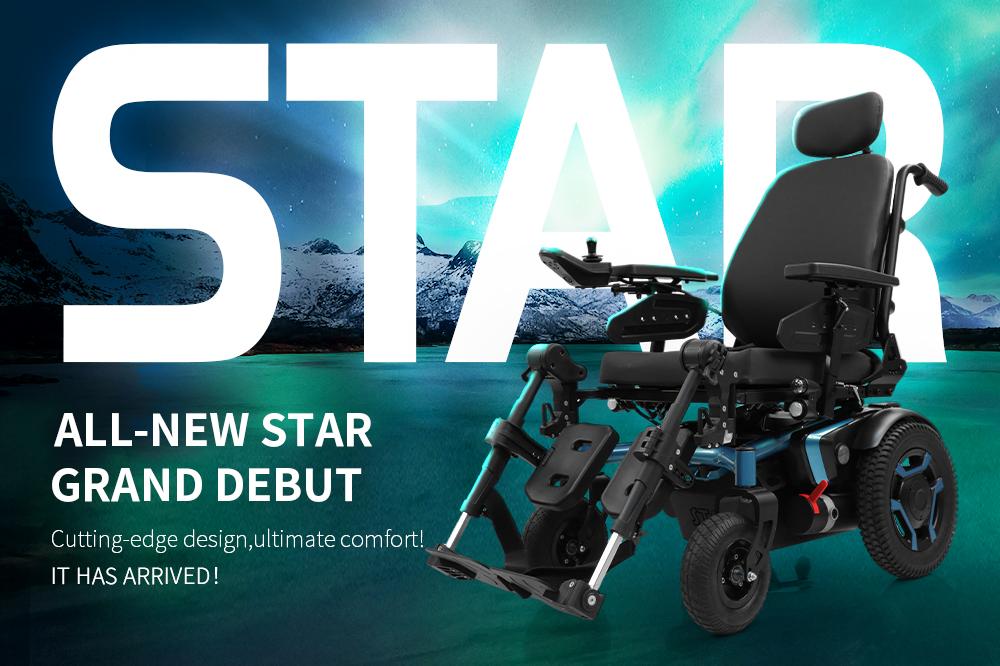
Among its independently developed high-end electric wheelchairs, STAR represents INTCO Medical’s commitment to premium mobility solutions. STAR is a high-quality power wheelchair equipped with a durable battery designed to last throughout a full day of use on a single charge. Its ergonomic structure is engineered to maximize long-term comfort, while integrated advanced technologies enhance both user freedom and operational safety. Designed for real-world mobility, STAR delivers smooth and stable performance across diverse terrains, supporting a confident and comfortable travel experience.
By combining user-centered product development with efficient factory operations, INTCO Medical continues to stand among the world’s leading electric wheelchair manufacturers, delivering dependable mobility solutions for the evolving needs of global healthcare systems.
Frequently Asked Questions (FAQ)
Q1: What defines a high-end electric wheelchair?
A high-end electric wheelchair typically features advanced drive systems, ergonomic seating, enhanced safety engineering, and customization options designed for long-term daily use and clinical support.
Q2: Who benefits most from high-end electric wheelchairs?
Elderly users, individuals with chronic mobility impairments, and patients requiring extended seating support benefit most from premium electric wheelchair designs.
Q3: Are high-end electric wheelchairs suitable for institutional use?
Yes. Their durability, adaptability, and user-focused design make them ideal for hospitals, rehabilitation centers, and long-term care facilities.
Q4: Why is manufacturing scale important for electric wheelchairs?
Large-scale manufacturing ensures consistent quality, stable supply, and reliable OEM/ODM support for global distribution.