


Contact Us
How to Use a Rollator Walker with a Seat Safely
Rollator walkers with seats have become an essential mobility aid for seniors, rehabilitation patients, and individuals with balance or endurance limitations. Unlike standard walkers, rollators are equipped with wheels, hand brakes, and an integrated seat, allowing users to walk more freely and rest when needed. However, improper use can increase the risk of falls or injury. Understanding how to use a rollator walker with a seat safely is critical to maximizing its benefits while minimizing potential hazards.
This guide provides a comprehensive, step-by-step overview of safe rollator use, supported by expert guidance and authoritative health resources.
Understanding the Design and Purpose of a Rollator Walker
What Makes a Rollator Different from a Standard Walker
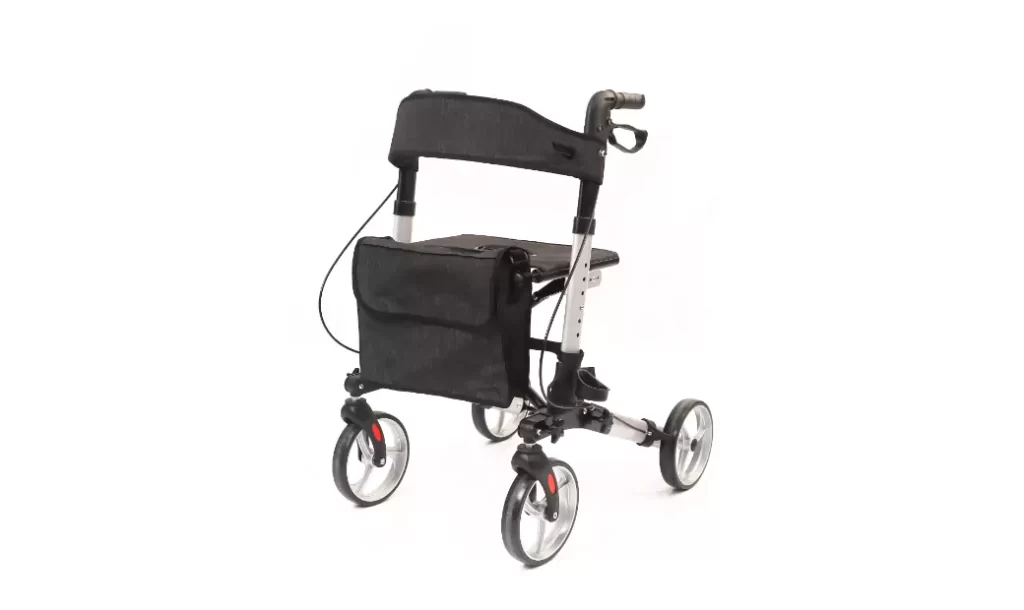
A rollator walker typically features three or four wheels, ergonomic hand grips, loop-style brakes, and a built-in seat with a backrest. According to the Mayo Clinic, wheeled walkers such as rollators are best suited for individuals who need balance support but can walk continuously without lifting the device off the ground.
Unlike traditional walkers that require lifting and placing, rollators glide smoothly, making them particularly useful for outdoor use and longer walking distances.

Who Should Use a Rollator Walker with a Seat
The Centers for Disease Control and Prevention emphasizes that mobility aids should match the user’s physical capabilities. Rollators with seats are commonly recommended for:
- Older adults with mild to moderate balance issues
- Individuals with fatigue-related conditions
- Patients in post-operative or physical therapy recovery
- Users who benefit from frequent rest breaks
However, rollators may not be appropriate for individuals with severe balance impairment unless advised by a healthcare professional.
Proper Setup Before First Use
Adjusting Handle Height Correctly
Correct handle height is essential for posture and control. When standing upright inside the rollator frame, the handles should align with the user’s wrist crease when arms are relaxed at the sides. The National Health Service notes that improper height adjustment can lead to shoulder strain or reduced braking control.
Checking Brakes and Wheel Function
Before each use, ensure that:
- Hand brakes engage smoothly
- Wheels rotate freely without wobbling
- Parking brakes lock securely
Brakes are a primary safety feature, especially when sitting down or standing up from the seat.
Walking Safely with a Rollator
Maintaining Proper Posture While Walking
Users should walk upright within the rollator frame, avoiding the temptation to lean forward onto the handles. Leaning excessively can shift the center of gravity and increase fall risk. The American Physical Therapy Association recommends engaging core muscles and keeping steps even and controlled.
Navigating Different Surfaces
Rollators perform best on flat, stable surfaces. When navigating ramps, thresholds, or uneven pavement:
- Slow down and maintain firm grip on the brakes
- Avoid sudden turns
- Never use the seat on an incline
If outdoor use is frequent, selecting a rollator with larger wheels and enhanced stability is advisable.
Using the Seat Safely
When and How to Sit Down
One of the key advantages of a rollator is the built-in seat, but it must be used correctly. Before sitting:
- Stop on a flat, stable surface
- Engage the parking brakes fully
- Turn around carefully and back up until the seat touches the back of the legs
Only sit once the rollator is completely immobilized.
Standing Up from the Seat
When standing:
- Place both hands on the handles, not the seat
- Lean slightly forward
- Push up using leg strength, not momentum
Experts caution against pulling on the rollator to stand, as it may roll forward if brakes are not fully engaged.
Common Safety Mistakes to Avoid
Overloading the Rollator
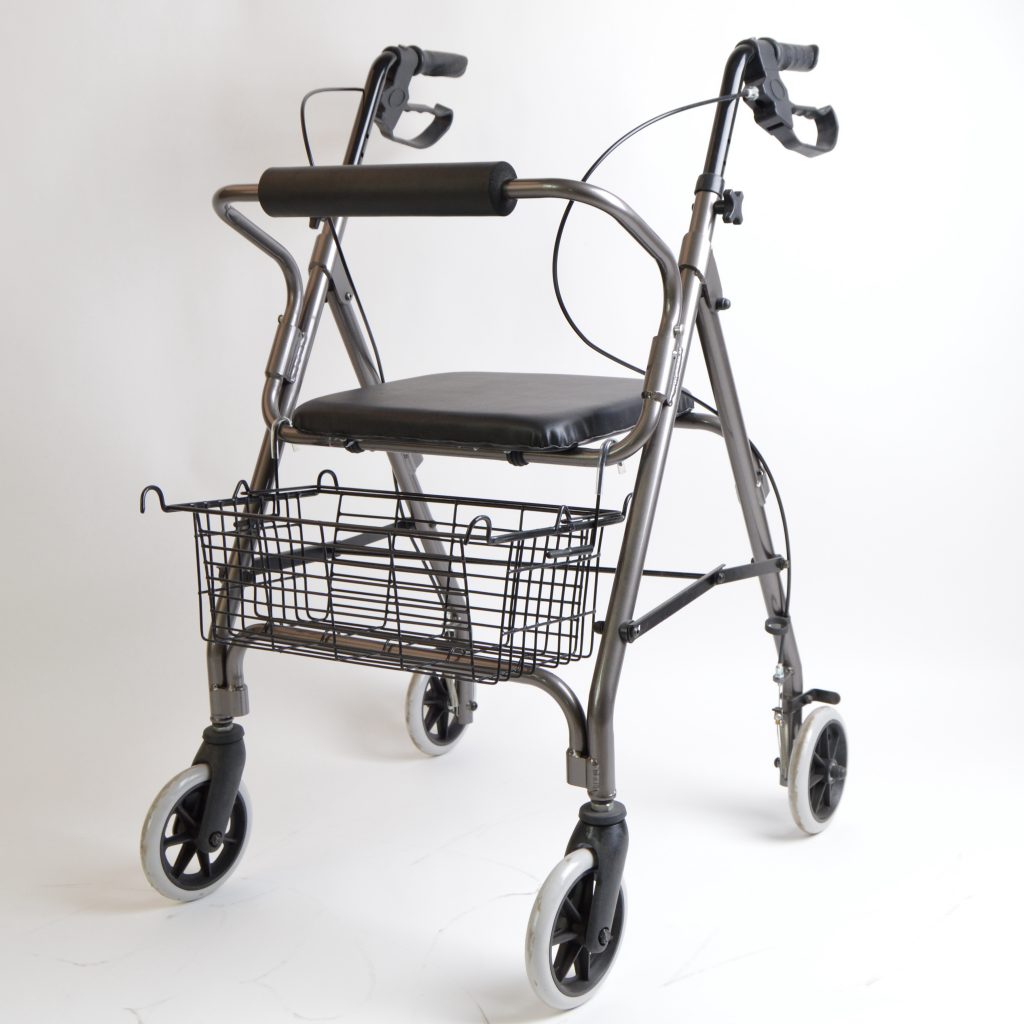
Most rollators have a weight limit for both the user and storage basket. Overloading can compromise stability. Manufacturer guidelines should always be followed to ensure structural integrity.
Using a Rollator as a Wheelchair
Rollators are not designed to transport users while seated. The Mayo Clinic explicitly warns against being pushed while sitting on a rollator seat, as it may lead to tipping or brake failure.
Maintenance and Long-Term Safety
Routine Inspection and Cleaning
Regular maintenance improves safety and extends product life:
- Inspect brake cables and screws monthly
- Clean wheels to prevent debris buildup
- Check seat fabric or padding for wear
Consistent upkeep is especially important in institutional or long-term care settings.
When to Replace or Upgrade a Rollator
If the rollator shows signs of instability, brake malfunction, or frame damage, replacement is recommended. Advancements in materials and ergonomic design can also provide improved comfort and safety over time.
Why Proper Rollator Use Matters
Falls remain one of the leading causes of injury among older adults. The CDC reports that appropriate mobility aid usage significantly reduces fall-related incidents. A properly selected and correctly used rollator walker with a seat can enhance independence, confidence, and quality of life.
FAQ: Rollator Walker Safety
Q1: Can a rollator be used indoors and outdoors?
Yes, but indoor use may require narrower frames, while outdoor use benefits from larger wheels and stronger brakes.
Q2: How often should brakes be checked?
Brakes should be tested before each use and adjusted periodically, especially in high-frequency use environments.
Q3: Is a rollator suitable for post-surgery patients?
Only if recommended by a physician or physical therapist, depending on balance and weight-bearing ability.
Q4: Can rollator seats support long periods of sitting?
Rollator seats are designed for short rest breaks, not extended sitting.
Conclusion: Choosing a Reliable Rollator Partner
Using a rollator walker with a seat safely requires proper setup, correct walking technique, and consistent maintenance. When used as intended, it can be a powerful mobility solution that supports independence and active living.
As a global manufacturer of medical and rehabilitation products, INTCO Medical offers a wide range of rollator walkers designed with user safety, ergonomic comfort, and regulatory compliance in mind. With strong OEM and ODM capabilities, INTCO Medical supports healthcare brands and distributors worldwide in delivering reliable mobility solutions tailored to diverse user needs.